

A loose tooth can be a worrying experience, especially for adults. While children naturally lose baby teeth to make way for permanent ones, a loose adult tooth often signals an underlying dental issue. If you are wondering how to tighten a loose tooth at home, there are supportive steps you can take, but it is also important to remember that professional dental care is usually necessary for lasting results.
This article will walk you through the common causes of loose teeth, at-home remedies that can help stabilize them, and why timely treatment is crucial for maintaining good oral health.
Why Do Teeth Become Loose?
Loose teeth in adults rarely happen without a reason. Understanding the causes can help you address the root problem instead of just focusing on the symptom.
Gum disease and inflammation
Gum disease is one of the most common causes of loose teeth. Poor oral hygiene can lead to plaque buildup, gum inflammation, and eventually damage to the tissues supporting your teeth. If gum disease progresses, it may weaken the bone and ligaments, making teeth unstable.
 Teeth grinding and bite issues
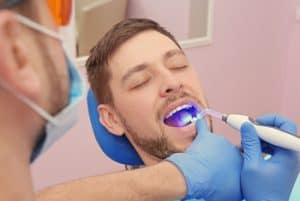
Teeth grinding, or bruxism, places constant pressure on teeth and their supporting tissues. Over time, this stress can cause tooth looseness and discomfort. Bite misalignment can have a similar effect, forcing certain teeth to endure more strain than others.
Dental trauma
An injury to the mouth can knock a tooth loose or damage the surrounding tissues. Even if the tooth does not fall out immediately, it may feel wobbly and need stabilization.
Hormonal and health changes
Hormonal changes, such as those during pregnancy or menopause, can affect gum health. Similarly, conditions that lower bone density may contribute to loose teeth in adults.
Can You Tighten a Loose Tooth at Home?
If you are experiencing loose teeth, the first step should always be to consult a dentist. However, there are ways to support gum health and improve stability while waiting for professional care. These methods can help reduce inflammation, fight bacteria, and protect your dental health.
Home Remedies That May Help
Practice consistent oral hygiene
Maintaining good oral hygiene is the foundation for tightening loose teeth. Use a soft bristled toothbrush and fluoride toothpaste to gently clean your teeth twice a day. Floss regularly to remove food particles and plaque buildup between teeth. Adding an antibacterial mouthwash can help reduce bacterial growth and protect gum health.
 Warm salt water rinses
A simple salt water rinse can reduce inflammation and fight bacteria. Mix half a teaspoon of salt in a glass of warm water and swish it around your mouth for about 30 seconds. This natural remedy can soothe gums and create a cleaner environment for healing.
Gently massage your gums
Improving blood flow to the gums may strengthen the tissues supporting your teeth. Using a clean finger, gently massage your gums in circular motions for a few minutes. This can help stimulate circulation and reduce gum inflammation.
Stick to soft foods
If you have a wobbly tooth, eating hard or crunchy foods can make the problem worse. Choose soft foods such as soups, yogurt, smoothies, and steamed vegetables. Leafy greens and dairy products can provide calcium and bone supporting nutrients while being gentle on teeth.
Improve your diet for gum and bone health
A balanced diet plays a key role in dental health. Incorporate calcium rich foods, vitamin D, and magnesium to strengthen bone density and gum tissue. Dairy products, leafy greens, nuts, and fish can support stronger teeth.
Natural remedies to fight bacteria
Some natural remedies, like turmeric paste or aloe vera gel, may help reduce gum inflammation. While these should not replace dental treatments, they can support oral health by lowering bacterial activity in the gums.
When At-Home Remedies Are Not Enough
Althoughhome care can help stabilize loose teeth temporarily, there are limits to what you can achieve without professional intervention.
Professional treatments for loose teeth
- Root planing and scaling: Deep cleaning to remove plaque and bacteria beneath the gum line.
- Tooth splinting: Stabilizing a loose tooth by attaching it to neighboring teeth.
- Bite adjustment: Correcting bite issues that may be causing stress on certain teeth.
- Bone and gum treatments: In cases of advanced gum disease, surgical procedures may help restore tissues supporting the teeth.
- Tooth extraction: If a tooth cannot be saved, extraction followed by options like dental implants or bridges may be necessary.
Recognizing a dental emergency
If you are experiencing severe pain, swelling, or sudden tooth looseness due to trauma, this is considered a dental emergency. Seeking prompt treatment can make the difference between saving and losing the tooth.
Preventing Loose Teeth in the Future
Once you manage a loose tooth, the next step is prevention. Good oral care habits can significantly reduce the risk of tooth looseness and gum disease.
Daily care habits
- Brush with fluoride toothpaste twice daily using a soft bristled toothbrush.
- Floss regularly to keep the spaces between your teeth clean.
- Use an antibacterial mouthwash to reduce plaque and bacterial growth.
Regular dental check ups
Visiting your dentist regularly is crucial for catching problems early. Routine checkups allow for proper diagnosis and prompt treatment before issues worsen.
Protect your teeth from injury
If you play contact sports, always wear a mouthguard. If you grind your teeth at night, ask your dentist about a custom night guard to protect against damage.
Key Takeaway
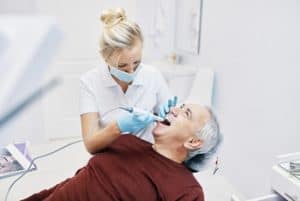 Learning how to tighten a loose tooth at home can be helpful in protecting your oral health while you arrange professional care. Steps like improving oral hygiene, eating soft foods, rinsing with salt water, and supporting gum health with a nutritious diet can make a difference. However, a loose adult tooth is often a sign of gum disease, poor oral hygiene, or another dental problem that needs professional treatment.
If you are experiencing loose teeth, see your dentist promptly. With the right mix of at-home care and professional support, you can stabilize loose teeth, protect your dental health, and maintain a strong, confident smile.
References:
https://www.healthline.com/health/loose-tooth
https://www.wikihow.com/Fix-a-Loose-Tooth
https://my.clevelandclinic.org/health/diseases/loose-tooth


