

After a tooth extraction, your mouth needs time to heal, and that starts with your diet. While it may be tempting to grab your favorite snack, it’s important to focus on eating only soft foods that are gentle on your healing mouth and won’t disturb the surgical site. This guide will walk you through 50 soft foods to eat after tooth extraction, with tips to support proper healing, avoid complications like dry socket, and make the recovery process more comfortable.
Why a Soft Food Diet Matters After Tooth Extraction
Protecting the Surgical Site
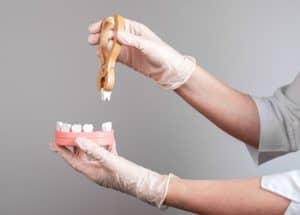 Tooth extraction leaves a sensitive area behind, often with a clot that forms to begin the healing process. Eating hard, crunchy, or chewy foods can dislodge this blood clot and lead to a painful condition called dry socket. A soft food diet reduces pressure on the extraction site, minimizes irritation to the gum tissue, and helps avoid complications.
Promoting a Smooth Recovery
Eating soft, nutrient-rich foods supports your immune system and gives your body what it needs to repair itself. It also makes it easier to take prescribed medications, maintain proper oral hygiene, and continue daily life with fewer disruptions.
Foods to Avoid During Recovery
Before diving into the list of soft foods to eat, it’s just as important to know which foods and drinks can slow healing or cause discomfort:
- Spicy foods can irritate the surgery site
- Crunchy foods like chips and nuts may damage the blood clot
- Sticky foods can get lodged in the wound
- Citrus fruits or acidic juices may sting and disrupt healing
- Hot foods or beverages can dislodge the blood clot
- Alcoholic beverages interfere with medications and healing
- Raw vegetables are too hard to chew early on
- Chewy foods put unnecessary pressure on the healing area
50 Soft Foods to Eat After Tooth Extraction
Below is a carefully curated list of 50 soft foods that are safe, satisfying, and healing-friendly. Many of these also provide essential nutrients to aid your recovery.
1–10: Smooth and Creamy Options
Eat soft foods. These are easy to swallow, gentle on your mouth, and quick to prepare.
- Mashed potatoes
- Applesauce
- Greek yogurt
- Cottage cheese
- Avocado (mashed or blended)
- Hummus
- Silken tofu
- Creamed spinach
- Mashed pumpkin
- Ricotta cheese
11–20: Soothing Soups and Broths
Stick to lukewarm temperatures and avoid chunky or spicy varieties.
- Pureed vegetable soup
- Chicken broth
- Bone broth
- Tomato soup (not too acidic)
- Potato leek soup
- Butternut squash soup
- Cream of mushroom soup
- Cream of chicken soup
- Lentil soup (pureed)
- Miso soup
21–30: Breakfast Foods That Are Easy on the Mouth
These soft breakfast options are filling and versatile.
- Oatmeal (cooled slightly)
- Cream of wheat
- Rice pudding
- Soft scrambled eggs
- Soft-boiled eggs
- Chia pudding
- Banana mashed or blended
- Pancakes soaked in syrup or yogurt
- Soft muffins without nuts
- Cold cereal soaked in milk
31–40: Wholesome Main Dishes and Sides
Great for lunch or dinner, these provide variety without compromising your recovery.
- Risotto
- Soft-cooked pasta
- Macaroni and cheese
- Couscous
- Soft rice with broth
- Quinoa (well-cooked)
- Ground turkey or chicken (finely shredded)
- Meatloaf (very soft texture)
- Mashed sweet potatoes
- Soft polenta
41–50: Satisfying Snacks and Sweet Treats
Even during recovery, you can enjoy simple indulgences.
- Ice cream (no crunchy mix-ins)
- Milkshakes (without a straw)
- Pudding
- Gelatin desserts
- Fruit smoothies (avoid citrus)
- Custard
- Soft canned peaches or pears
- Yogurt-based frozen treats
- Soft cheese spread on white bread (if tolerable)
- Soft, ripe melon mashed or blended
Additional Tips for a Healing-Friendly Diet
Focus on Nutritional Value
After oral surgery, your body needs vitamins and minerals more than ever. Many soft foods like Greek yogurt, mashed avocado, and pureed vegetables offer protein, healthy fats, and antioxidants to support healing. Try to eat across all food groups: protein, dairy, vegetables, and grains.
Watch the Temperature
Hot foods can disturb the blood clot and increase swelling. Let everything cool to a warm or room temperature before eating.
Avoid Straws and Smoking
Sucking through a straw or smoking can cause suction in the mouth that dislodges the clot. This increases the risk of dry socket and delays healing. It’s best to avoid both entirely for several days.
Drink Plenty of Fluids
Staying hydrated promotes faster recovery, but avoid acidic juices like orange juice and other acidic foods that might irritate the healing mouth.
When Can You Start Eating Normally Again?
Most people can return to a regular diet in about one to two weeks, depending on the complexity of the extraction and how well the surgical site is healing. If you’ve had wisdom teeth removal or dental implants, your oral surgeon may recommend a longer soft food diet. Always follow their guidance for a smooth recovery.
Final Thoughts: Soft Foods Make a Big Difference
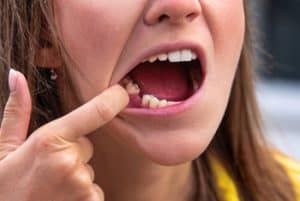 Sticking to soft foods after a tooth extraction is not just about comfort—it’s an essential part of protecting your oral health, preventing complications, and supporting the healing process. Whether you’ve had wisdom teeth removed, dental implants placed, or another form of dental surgery, choosing the right foods can help you recover faster and with fewer issues.
Take it one day at a time, prioritize nutrient-rich choices, and avoid any food that might irritate your healing mouth. By following a post-tooth extraction diet filled with gentle and healing options, you give your body the best chance for a smooth and complication-free recovery.
References:
https://www.colgate.com/en-us/oral-health/nutrition-and-oral-health/what-to-eat-after-tooth-extraction
https://www.medicalnewstoday.com/articles/321300
https://www.goodrx.com/conditions/dental-care/what-to-eat-after-tooth-extraction?srsltid=AfmBOorgrR_ECTO-TUkU3VVeaMhnFkje7vj5y6_ag5b2GUdD_ZXBif7M
https://www.healthline.com/nutrition/what-to-eat-after-wisdom-teeth-removal


